


Eating Disorder Treatment: A Full Continuum of Care
Your path to healing is as unique as you are. At Eating Recovery Center (ERC), you’ll benefit from a comprehensive continuum of care that’s designed to connect you with the right support at the right time.
Consistency throughout treatment gives you the best chance for long-lasting recovery. Our continuum of care starts with the assessment and extends all the way through to aftercare support. And it takes only one phone call to get started.
Step 1: Come as you are.
The first step toward recovering from an eating disorder can be the most difficult. That’s why we invite you to come as you are today. When you come as you are, we’ll get to know you as a whole person, your personal strengths and challenges, where you are in your journey and how we can help you move toward what’s important to you.
This personalized approach begins with our very first interaction. We’ll connect you with an experienced mental health professional who will get to know you as a whole person and help you explore your options. Assessments are free and 100% confidential. There is no obligation and you never need a referral.
Your assessment will help us determine what support you need to ensure you get the right care at the right time.
We are the golden thread through all levels of care, providing you with collaborative, integrated and comprehensive care.
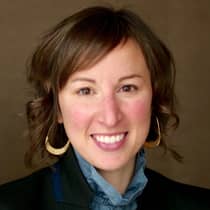
Anne Marie O'Melia, MS, MD, FAAP (she/her)
Chief Medical Officer and Chief Clinical Officer, Eating Recovery Center
Chief Medical Officer and Chief Clinical Officer, Eating Recovery Center
Step 2: Get the right support at the right time.
The path to lasting recovery doesn’t always follow a straight line. It’s common for people to move through various levels of care as they find healing. Our levels of care for children, adolescents and adults of all genders include:
-

Intensive Outpatient Program (IOP)
Three hours of specialized care three days per week, with on-site and virtual options available.
-

Partial Hospitalization Program (PHP) or Day Treatment
Daytime programming, including psychiatric support, with evenings at home or in a peer-supported apartment.
-

Residential (RES)
Daily programming with 24-hour medical and psychiatric support in a comfortable residential setting.
-

Inpatient (IP)
Medical and psychiatric stabilization in a specialized 24-hour hospital setting with the introduction of group meals and sessions.
-

Intensive Treatment Unit (ITU)
Medical and psychiatric stabilization in a highly specialized 24-hour hospital setting.
Our continuum of care ensures that your transitions between levels of care will be as smooth as possible. Our team will be by your side — and setting you up for success.
When you come to us, you’ll work with the same specialized care team from the beginning. That means you’ll stay with the same physician, psychiatrist, therapist and dietitian when possible, no matter what level of care you need.
Benefits to this approach
The continuum of care greatly reduces the risk of relapse or regression during treatment. It also eliminates the stress that people sometimes feel when they have to tell their story over and over to different providers. And it clears your path to healing, with education along the way so you know what to expect at each level of care prior to any transitions.
Eating disorder therapy
During treatment, our providers will use leading therapeutic interventions based on the latest clinical evidence. These therapies are designed to address your symptoms and help you understand the underlying reasons they occur. Our therapeutic approaches include:
- Acceptance and commitment therapy (ACT), which identifies your motivation to seek help and barriers that stand in your way
- Cognitive behavioral therapy (CBT), which identifies and corrects negative thoughts and triggers
- Dialectical behavior therapy (DBT), which builds emotion regulation and resilience while teaching practical skills
Here, you always belong
Our teams are deeply committed to creating a safe, supportive and affirming environment for all people who seek our care. This includes compassionate professional training that ensures our clinicians and staff will honor and support our patients wherever they are on their personal journey.
We practice weight-inclusive care and gender-affirming care, with a variety of resources for LGBTQIA+ patients and people in the BIPOC community.
What makes our PHP model unique
Many PHPs offer only five days of care per week. But our teams noticed that weekends away from the program caused unnecessary relapses and regressions. That’s why our center-based PHP provides full-day treatment seven days a week—the maximum clinical standard of care—because we understand that eating disorders don’t take the weekend off.

Other benefits of our PHP include:
- Easy access to psychiatrists and medical doctors who can provide medication management and support.
- Supervision during meal and snack times. During eating disorder recovery, each meal can bring a variety of emotions. In our PHP, trained clinicians watch for behaviors and lead with empathy as they help individuals regulate their emotions during meals and snacks.
- Comprehensive educational support for children and adolescents. Kids and teens have dedicated school time one to three hours a day, five days a week, in a classroom setting. We have an on-site education specialist who partners with children, parents and schools to make sure everyone is on the same page and that assignments are reasonable for each student. This approach helps students stay on track and advance to the next grade level while receiving treatment. Learn more about how we provide children and adolescents with an uninterrupted connection to school.
- Family involvement in care. Family and support systems play a critical role in creating a successful recovery from eating disorders. ERC Pathlight uses two evidence-based approaches—family-based treatment (FBT) and emotion-focused family therapy (EFFT)—that empower parents to be active participants in their child or teen’s recovery.
- Resources for travel and lodging. Patients receiving treatment in our center-based PHP can stay nearby in peer-supported apartment communities. We also offer patients and families access to a dedicated travel concierge who can help manage the logistics of travel and make the entire process easier.
Being able to tell your story once and then live out the rest of your journey with the same care team and approach allows you to experience the full season of what you need and reduces the risk of relapse.
Step 3: Stay connected to your recovery community—both during and after treatment.
Our community outreach team will keep you connected and supported. They’ll connect you and your family with tools you need before, during and after your treatment. Resources include:
- Free support groups for patients, families and community members
- Alumni events and community events to give you encouragement and support
- Blog posts and articles for education, inspiration and hope
- Mental Note podcast featuring in-depth conversations about the work and beauty of mental health recovery
- Say It Brave, an inclusive community dedicated to ending the stigma surrounding mental health
- Recovery ambassadors, alumni who share their personal recovery stories to inspire others
Our care team will also help you make a smooth transition back to your outpatient providers. We’ll keep them in the loop throughout your treatment journey and give them the tools they need to further your recovery after you leave ERC.
The continuum of care offers a gradual process of healing, helping you gain independence and prove to yourself that you can do it, while still having the net there to catch you should you need it.
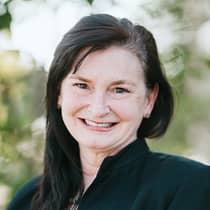
Katie Kittredge (she/her)
Eating Recovery Center alum
Eating Recovery Center alum
Come as you are today.
Hide Last Child Layout Div
style
js