events / When Symptoms Overlap | Understanding Complex Clinical Presentations and Building Effective Treatment Plans
Professionals
Continuing Education
Treatment
In Person
When Symptoms Overlap | Understanding Complex Clinical Presentations and Building Effective Treatment Plans
November
06
Friday


Friday, November 6, 2026

09:00 AM - 12:00 PM CST

2 CE/CME/CNE Hours

Presented by
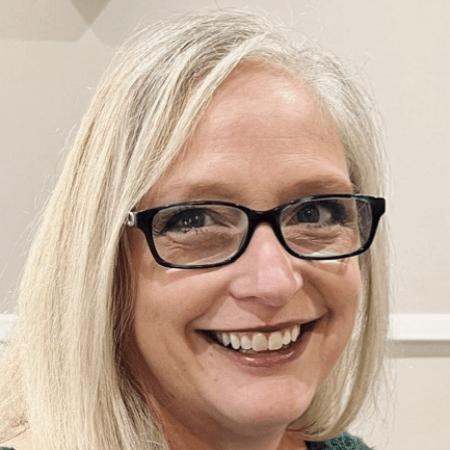
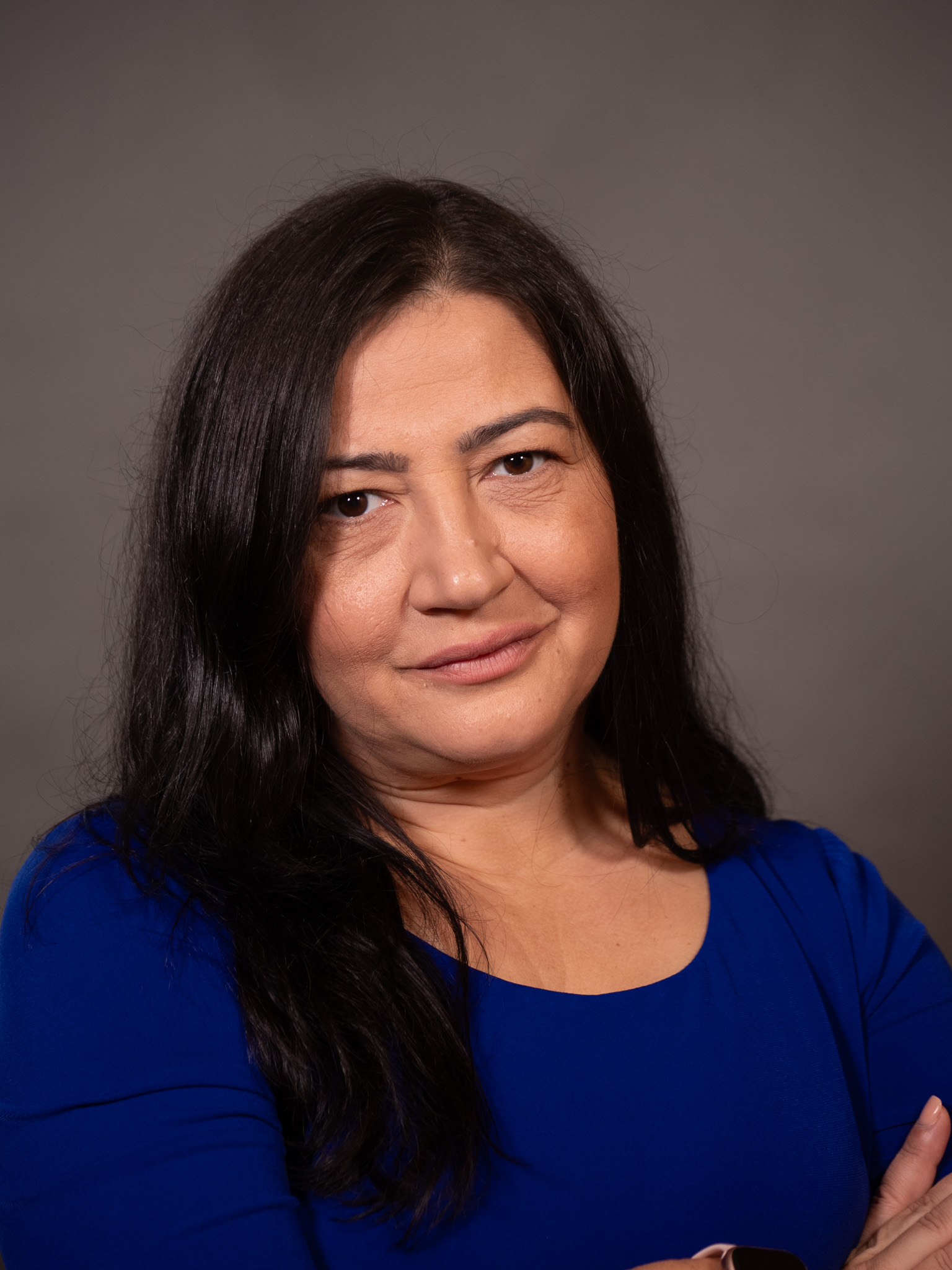
Elissa Mackie , LPC-A
Primary Therapist I
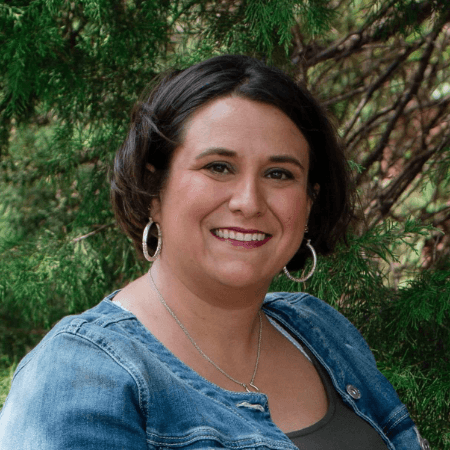
Melissa Blackwood , LCSW
Primary Therapist II
Earn 2 CE/CME/CNE Hours.
Join fellow mental health professionals for a morning of education, networking, and practical clinical insights. Through case-based learning, you'll gain strategies for understanding overlapping symptom presentations, improving case conceptualization, and developing evidence-informed treatment plans for individuals with complex mental health needs. Breakfast included.
Event Agenda
8:00 – 8:45 AM - Registration, Breakfast & Networking
8:45 – 9:45 AM - CE Presentation – Part 1 When Symptoms Overlap: Understanding Complex Clinical Presentations (1 CE/CME/CNE Hour)
Clients rarely present with a single diagnosis. Depression, anxiety, trauma, personality features, and other co-occurring conditions often overlap, making assessment and treatment planning challenging. Through case-based discussion, participants will learn a practical framework for understanding the function of behavior, differentiating overlapping symptom presentations, and identifying the clinical drivers that inform treatment decisions.
Educational Objectives
Following this presentation, participants will be able to…
Differentiate common areas of overlap among depression, anxiety, trauma, and other co-occurring mental health conditions.
Apply a functional assessment framework to identify the factors maintaining presenting symptoms.
Recognize clinical considerations that guide case conceptualization and multidisciplinary collaboration.
9:45 – 10:00 AM - Break
10:00 – 11:00 AM - CE Presentation – Part 2 When Symptoms Overlap: Building Effective Treatment Plans (1 CE/CME/CNE Hour)
Once clinicians understand what is driving a patient's symptoms, selecting the appropriate intervention becomes the next challenge. Using the same clinical cases introduced in Part 1, participants will explore how trauma-informed care, RO DBT, psychoeducation, and other evidence-informed approaches can be integrated into individualized treatment plans for complex presentations.
Educational Objectives
Following this presentation, participants will be able to…
Differentiate common areas of overlap among depression, anxiety, trauma, and other co-occurring mental health conditions.
Apply a functional assessment framework to identify factors maintaining presenting symptoms and inform case conceptualization.
Develop multidisciplinary treatment plans that incorporate evidence-informed interventions to address co-occurring clinical needs.
11:00 AM - Q&A and Closing Discussion
The target audience for this continuing education program is mental health providers and clinicians working with individuals with mental health diagnoses. Materials are appropriate for learners with an introductory level of understanding about mental health concerns.
Available Continuing Education Credit:
In support of improving patient care, Eating Recovery Center and Pathlight Mood & Anxiety Center is jointly accredited by the Accreditation Council for Continuing Medical Education (ACCME), the Accreditation Council for Pharmacy Education (ACPE), and the American Nurses Credentialing Center (ANCC), to provide continuing education for the healthcare team.
Eating Recovery Center and Pathlight Mood and Anxiety Center, LLC designates this live course for a maximum of 2 AMA PRA Category 1 Credit(s)™. Physicians should claim only the credit commensurate with the extent of their participation in the activity.
As a Jointly Accredited Organization, Eating Recovery Center and Pathlight Mood & Anxiety Center is approved to offer social work continuing education by the Association of Social Work Boards (ASWB) Approved Continuing Education (ACE) program. Organizations, not individual courses, are approved under this program. Regulatory boards are the final authority on courses accepted for continuing education credit. Social workers completing this course receive 2 clinical continuing education credits.
Completion of this RD/DTR profession-specific or IPCE awards CPEUs (One IPCE credit + One CPEU). If the activity is dietetics-related but not targeted to RDs or DTRs, CPEUs may be claimed which commensurate with participation in contact hours (One 60-minute hour = 1 CPEU). RDs and DTRs are to select activity type 102 in their Activity Log. Sphere and Competency selection is at the learner’s discretion. Attendees who complete this course are eligible for 2 CPEU.
Eating Recovery Center, LLC is approved by NBCC as an Approved Continuing Education Provider, ACEP No. 6815 Programs that do not qualify for NBCC credit are clearly identified. Eating Recovery Center is solely responsible for all aspects of the programs.
Eating Recovery Center, LLC is approved by the American Psychological Association to sponsor continuing education for psychologists. Eating Recovery Center maintains responsibility for this program and its content.
Eating Recovery Center, LLC is recognized by the New York State Education Department's State Board for Psychology as an approved provider of continuing education for licensed psychologists #PSY-0232.
Eating Recovery Center, LLC is recognized by the New York State Education Department's State Board for Mental Health Practitioners as an approved provider of continuing education for licensed mental health counselors #MHC-0280.
Eating Recovery Center, LLC is recognized by the New York State Education Department's State Board for Social Work as an approved provider of continuing education for licensed social workers #SW-0756.
All Eating Recovery Center, LLC sponsored educational activities are presented in compliance with the Americans with Disabilities Act (ADA). If you are in need of accommodations, please contact ERC Pathlight Continuing Education Program at continuing.education@ercpathlight.com.
Cost and Refund/Cancellation Policy
There is no fee to participate in this activity. Please contact Alexis Harris for any cancellations at alexis.harris@ercpathlight.com.
Conflict of Interest: There is no conflict of interest in the presentations.
Commercial Interest: There is no commercial support for this activity.