Recover at home with structured IOP support for eating disorders
Our IOP program is built for adults, teens, and children. This gives you the flexibility to live at home, go to work or school, and live your life with support while you recover.
100% confidential
Intensive outpatient eating disorder treatment
Here’s what to expect
Intensive outpatient is designed to support recovery while you continue to live at home.
Treatment at ERC includes:
Programming three to four hours per day, three to four days per week
Supervision by experienced registered dietitians and mental health therapists specializing in eating disorders
Eating disorder recovery skill building with individual therapy and interactive group therapy sessions
Individualized meal planning, nutritional support and education
Evidence-based eating disorder therapies
Weight-inclusive, trauma-informed and gender-affirming care and LGBTQIA+ and BIPOC support
Robust aftercare support
Free virtual support groups for caregivers

Support that meets you
where you are.
Reaching out for support is hard, especially if you’re worried about losing independence or disrupting your life. IOP offers meaningful, structured eating disorder support while allowing you to stay at home and maintain your routines. If you’re struggling and know you need more than outpatient therapy, you’re in the right place to explore a flexible next step.

Hear from our alumni
Healing isn’t just possible. It happens here every day
This program changed my life for the better. I never thought recovery was possible, but now I know it is.
Lizz F
Support that fits
your life
Our intensive outpatient programs are personalized to your needs, with structure, accountability, and support throughout care.

Eating disorder IOP for adults
Get meaningful eating disorder support while staying active in your life. Adult IOP offers structured care for those who need more than outpatient therapy.
Adult support

Child & Adolescent Residential Programs
Our child and adolescent IOP supports ages 8–17 with developmentally appropriate care that keeps young people connected to school, friends, and routines while they recover.
Child & adolescent care

Families and caregivers
Families play a vital role in recovery. We provide education, therapy, and ongoing family support to help caregivers feel informed and empowered.
Family support

Those stepping up or stabilizing
IOP is often helpful as a supportive next step following higher levels of care.

get care
What level of care is right for you?
locations
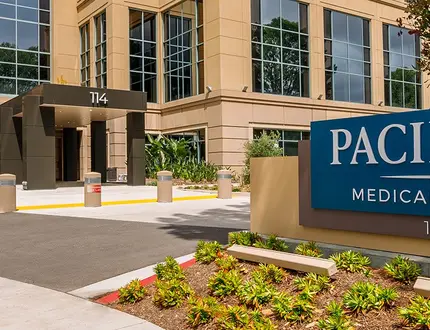
Get help at these Intensive outpatient eating disorder treatment centers


our programs
Eating disorders we treat
If eating disorder symptoms are affecting your health or safety, inpatient care may be appropriate. We treat a full range of eating disorders, including:
Severe restriction and medical instability requiring close monitoring and support.
Serious medical and psychological risks, regardless of body size.
Extreme food avoidance that interferes with nutrition and health.
Loss of control around eating with significant physical or emotional impact.
Binge–purge cycles that place strain on the body and mind.
Disordered eating patterns that affect physical health and well-being.
Insulin restriction in people with diabetes, requiring specialized medical care.
Eating disorder symptoms that don’t fit one diagnosis but still require comprehensive treatment.
Obsessive focus on “clean” eating that compromises nutrition and mental health.
Have questions? Find answers here
What’s the difference between inpatient and residential eating disorder treatment?
While inpatient treatment is designed for people who need 24/7 medical monitoring due to medical instability or severe symptoms, residential treatment is typically appropriate once a person is medically stable and ready to focus more fully on therapeutic work in a structured environment. In both inpatient and residential treatment, patients live on-site and receive structured care.
If you’re unsure which level of care is appropriate, our team can help assess your situation and guide you to the right next step.
How do I know if inpatient treatment is necessary?
Inpatient care may be recommended when eating disorder symptoms begin to put physical health or safety at risk. This can include medical instability, rapid weight loss, severe restriction, purging behaviors, or difficulty maintaining nutrition outside of a highly supported setting.
A brief assessment with our admissions team can help determine whether inpatient care is the safest and most appropriate option.
How long does inpatient eating disorder treatment last?
The length of inpatient treatment varies based on individual medical needs, symptom severity, and progress in treatment. Some patients may need a shorter period of stabilization, while others may require more time before stepping down to another level of care.
Our goal is to provide the right level of support for as long as it’s needed, then help transition patients to the next appropriate phase of recovery.
What happens after inpatient treatment?
When a patient is medically stable, our team works closely with them and their support system to plan next steps, which may include residential, partial hospitalization, outpatient, or virtual treatment. This step-down approach helps ensure continuity of care and ongoing support as recovery continues.