1
2
3
4
5
More eating disorder support.
Less disruption to the school year.
Meals have become difficult. You’re not seeing progress in weekly therapy. Maybe you don’t know what’s happening, you just know something isn’t right. Virtual care can give you the structure you need to see meaningful change while staying engaged in classes and the moments that matter.
The first virtual program
for eating disorders
After 10+ years of specialized virtual care, we’ve seen what healing looks like.

Between work, school and everything else, adding one more thing can feel overwhelming. In select states, afternoon and evening sessions are available to make treatment easier to fit into your routine.

Virtual care may feel distant at first. But during live, skill-based groups and weekly therapy sessions, you‘ll meet peers who actually understand what you’re going through. The kind of understanding that can be hard to find.

Getting more support doesn’t mean giving up your independence. If you want them involved, parents, partners and other loved ones can learn what to expect, understand their role and better support your recovery.
Interested in a shorter
care option?
Consider Recharge.
Recharge provides two weeks of focused virtual nutrition support led by registered dietitians. Fully virtual. Only two weeks. Dedicated tracks just for college students and young adults.

Do I really need more support?
A more structured eating disorder program may feel like a big step, especially if you’re unsure how serious things have become. You don’t have to figure it out alone. If something feels off, we’re here to help you think through it.
Talk With Our TeamWhen to reach out
Mealtimes are becoming more stressful or difficult
You’re avoiding the dining hall, meals with friends or activities you used to enjoy
Thoughts about food, weight or body image are taking up more of your day
Academic pressure or changing routines are making symptoms worse
Weekly therapy doesn’t seem to be enough
You’re noticing signs of relapse after previous treatment
There’s no obligation to begin treatment. A conversation can help you understand what care options may fit your needs.
Virtual care that fits your life
Our virtual intensive outpatient program (VIOP) offers personalized care that adapts to your needs.
Here’s what you can expect each week:
Nationwide virtual programs available
You don’t have to leave home to get the care you need. Virtual IOP is available across 21 states.
|
|
|
|
|
|
|
|
|
|
|
|
|
|
|
|
|
|
|
|
|
Don’t see your state?
Give us a call at 866-348-7773 to discuss other treatment options that may be right for you.

Meet the leaders running the longest standing Virtual IOP program
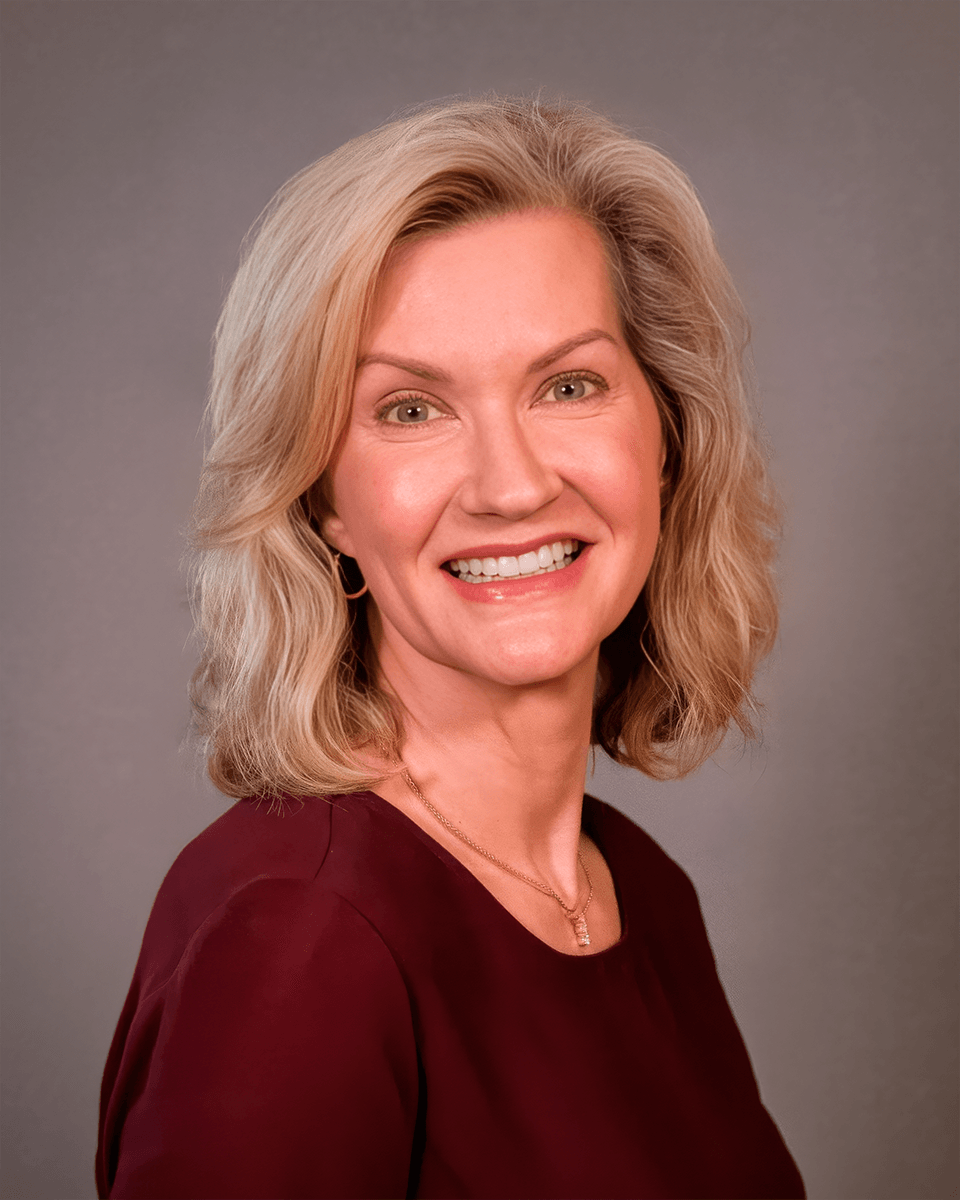

Words from our patients
Healing isn’t just possible.
It happens here every day.
"This program completely changed my life, and I now have a healthy relationship with food that I’ve always desired."
Stephanie A
Ready to
reach out?
Whether your loved one is struggling or you are yourself, that’s enough reason to reach out. You don’t need to know which program you need—or if it’s an eating disorder. A master’s-level clinician will talk through what’s happening and help match you or your loved one with the right care.
What happens next
Tell us what you’ve been noticing
Talk through you or your loved one’s needs with our team
Learn more about your options, including insurance and next steps
Have questions?
We have answers.
What if I don’t know if it’s an eating disorder?
You don’t need to be sure before reaching out. Eating disorders don’t "look” a certain way, despite what media may tell us. If mealtimes have become a struggle, thoughts about food and body image are taking over, it’s worth paying attention to.
Start with a complimentary, confidential call. Even if treatment with us isn’t the next step, we can help you better understand what’s happening and what your options are.
What kinds of eating disorders do you treat?
We treat a wide range of eating disorders, including:
Anorexia
Atypical anorexia
ARFID
Binge eating disorder
Bulimia
Compulsive overeating
Diabulimia
Orthorexia
OSFED
We also look beyond eating behaviors. Anxiety, depression, trauma and other mental health concerns can all affect your relationship with food. Addressing these concerns is a cornerstone of treatment.
Do I need to be home during virtual treatment?
Not necessarily. Virtual treatment can fit into school, whether you’re living at home, on campus or somewhere else. Before you begin, our team will walk you through your schedule, where you can join sessions and what to expect so you can plan treatment around classes and other responsibilities.
Do you take insurance for Virtual IOP?
We’re in-network with most commercial insurance plans. Because coverage varies, our team will verify your benefits, communicate directly with your insurance provider and explain what’s covered before treatment begins.

Our team is here to help
Part-time programs available
Virtual IOP
2-week Recharge
In-person IOP
Online
Call