Comprehensive Eating Disorder Care for Kids and Teens
You know your child. We know eating disorders. Together, we’ll help your family heal
Watching your child struggle with an eating disorder can feel overwhelming — but you don’t have to face it alone. At Eating Recovery Center, we offer compassionate eating disorder treatment for kids and teens, combining medical expertise with genuine care to help your family find hope, understanding, and lasting recovery.


Here’s what you’ll find in
our child-friendly treatment spaces:
Is school stress making symptoms worse?
New schedules, academic pressure and social changes can make recovery harder. Virtual IOP and our two-week Recharge program offer children and teens part-time support while they stay connected to school.

Our programs help children and adolescents heal every day
When a child has an eating disorder, it affects the whole family. Our team of experts understand the unique challenges you’re facing and are here to provide support and guidance during this challenging time.


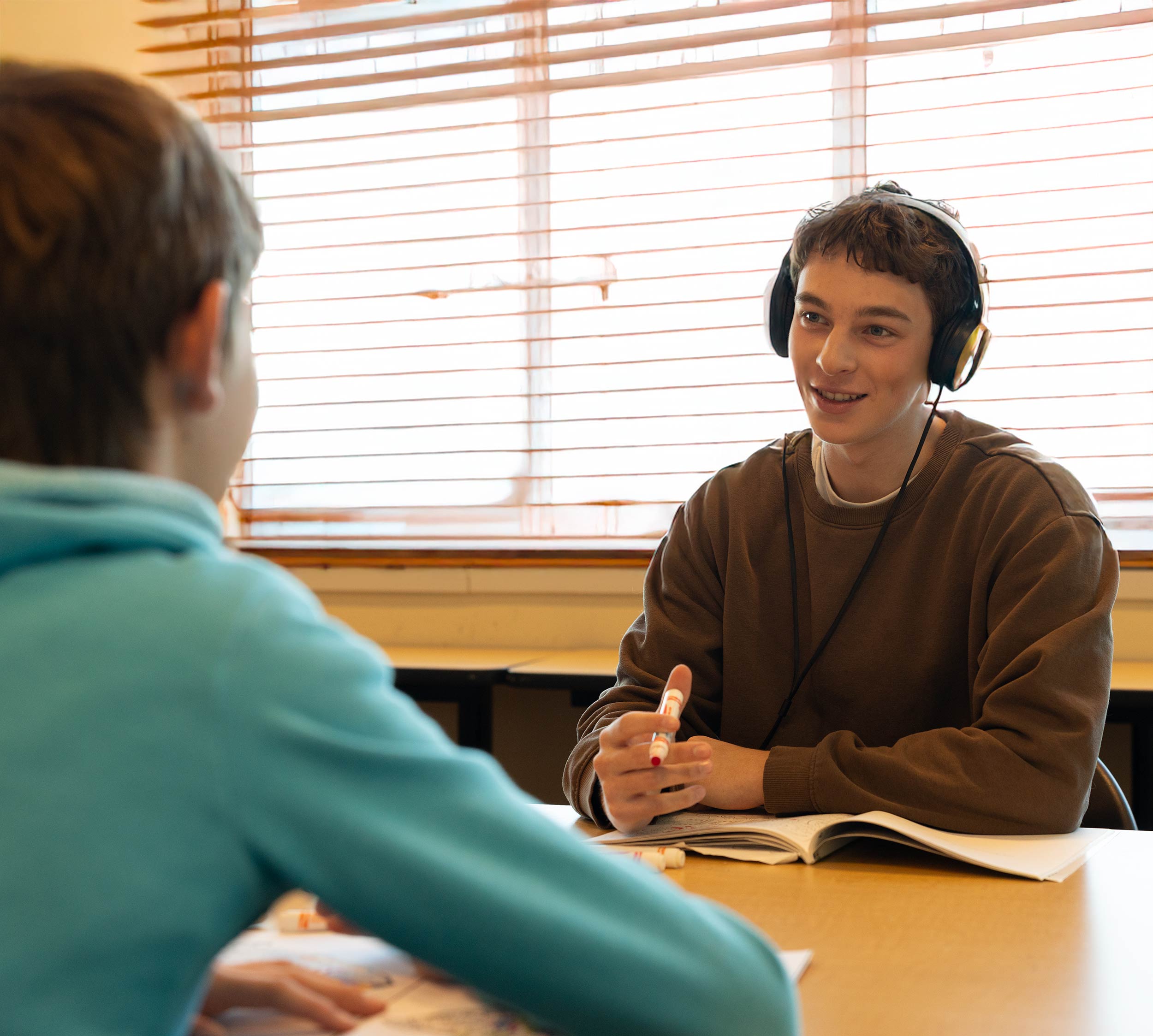
Structured academic time provides a sense of normalcy and purpose
When children and teens are in treatment, keeping up with school can feel like yet another challenge. Our education specialists work closely with families, schools and care teams to:
Create flexible, individualized education plans
Coordinate online learning, home and hospital-based instruction
Provide tailored support for neurodiverse learners

Smoother transitions
back to school
Education is often on a parent’s mind, even when a child needs specialized care. Our education specialists are here to support kids, teens, and families with the transition back to school. When your child is ready to return to school, these resources can help make the transition easier:

We knew that we could go to sleep and rest well at night knowing she was in such great hands.
Allegra
Mother of former ERC patient
Clinical results you can see. Support families can feel.
Healing doesn’t happen by chance. It comes from a committed team of pediatric eating disorder experts advancing care for the best clinical outcomes.
After treatment at ERC:
73%
Of children and adolescents no longer reported significant eating disorder symptoms
90%
Children and teens needing weight restoration left at or above 90% of their ideal body weight.
Most patients’ anxiety and depression symptoms reduced from moderate to mild
We also know how important your experience is, and we’re proud of the feedback we receive from parents and caregivers:
90%
Found their experience helpful
89%
Said they’re likely to recommend ERC

85%
Felt the care team met their expectations
Every level of care, in one connected system. Designed to meet your child’s needs at every stage
You and your child deserve the best care possible. That’s why we offer a full continuum of care that meets your child where they are and ensures each transition is supported and seamless. The first step is making sure your child is medically stable and emotionally safe. Then, they’ll begin building the skills and insight needed for long-term healing.
FAQs
You have questions? We have answers.
Have a question we didn't answer? Contact us
Eating disorders are naturally secretive and symptoms are often hidden from friends and family. If you have observed the following eating disorder behaviors in your child or teen, reach out for help.
Shows little interest in foods, avoids certain foods or refuses to try new ones
Excessive pacing, compulsive/excessive exercise, rigid exercise routine
Social withdrawal or isolation
Fine hair on face, arms and torso (lanugo)
Delayed signs of puberty; delayed or halted menstruation
Lack of appropriate increases in weight or height in a growing child/adolescent
Binge eating or purging through self-induced vomiting, laxative, diet pill or diuretic use
Weight changes (including weight loss or weight gain)
Hair loss, dry skin, brittle nails
Anxiety or depression
Decline in performance at work, at school, or in sports or other activities
Fear of gaining weight or excessive worrying about their weight
In treatment, children and adolescents meet with a registered dietitian weekly, reviewing and adjusting meals, food preferences and goals, as needed. A typical day may include:
Building autonomy and confidence around food choices by choosing components of their meals for breakfast, lunch and dinner.
Using an exchange system as the child learns about intuitive eating.
Focusing on flexibility and recovery, rather than calories or numbers, while ensuring nutritional needs are met.
Progressing from plated meals to buffet-style dining, cooking groups and restaurant outings as skills grow.
Confidently managing food allergies and special dietary needs, with accommodations made when appropriate.
Developing skills like food portioning and plating in our teaching kitchen alongside their family.
Feeling supported through individual, family and group sessions.
Our programs use the following approaches, all proven to be highly effective for eating disorders in children and teens:
Emotion-focused family therapy (EFFT) teaches caregivers skills to actively support recovery.
Family-based treatment (FBT) helps caregivers and therapists work together as partners in care.
Acceptance and commitment therapy (ACT) helps children and teens create a meaningful life based on their values.
Dialectical behavior therapy (DBT) teaches skills to manage challenges instead of avoiding them.
Cognitive behavioral therapy (CBT) helps children and teens identify and correct negative thoughts about themselves, others and the world.
Trauma-focused CBT (TF-CBT) helps children and teens heal from the effects of trauma.
Exposure and response prevention(ERP) helps children and teens safely confront their fears and interrupt patterns of avoidance and anxiety.
Concerned about your child? Let’s talk.
Early support makes a difference. Whether you’re noticing small changes or serious symptoms, we’re here to help you take the next step.