The last thing Chevese Turner needed was medication to help her lose weight. Twenty years into recovery from binge eating disorder and atypical anorexia, she was done trying to whittle her physique into something it didn't want to be.
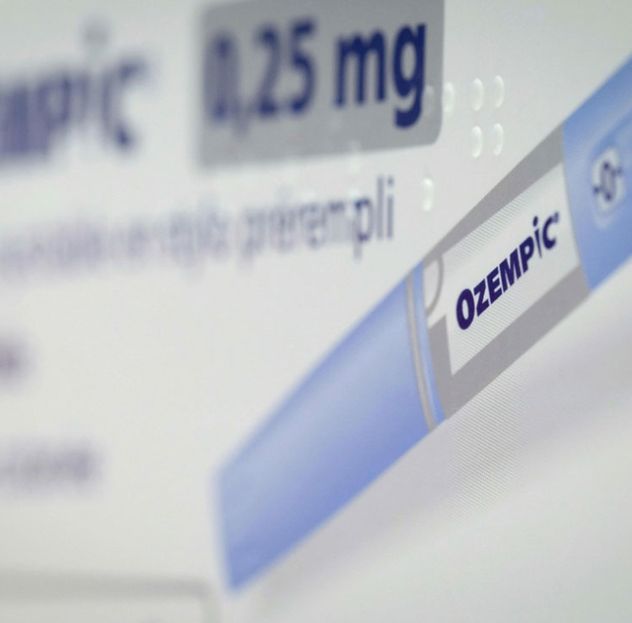
But after developing diabetes a few years ago, her doctor prescribed Mounjaro, a glucagon-like peptide-1 receptor agonist, or GLP-1, that helps curb diabetes. A side effect of the medication? Weight loss.
Knowing that, Turner, who lives outside Washington, DC, hesitated. "I don't want to start getting into this mode where I'm like, 'Yay, I'm losing weight,'" said Turner, 57, the CEO of the Body Equity Alliance, an advocacy and coaching organization.
Part of her recovery from BED included learning to eat intuitively and letting her body tell her when it was hungry. Cautiously, she started taking the drug. But, even at a low dose, Mounjaro eliminated her desire to eat, which caused her to drop pounds. This worried her.