events / Clinical Voices, Human Stories Chicago
Professionals
Continuing Education
In Person
Clinical Voices, Human Stories Chicago
November
13
Friday


Friday, November 13, 2026

08:00 AM - 03:00 PM CST

6 CE/CME/CNE Hours


$35.00
Includes CE credit hours as well as food and refreshments.
A portion is donated to The Eating Recovery and Pathlight Foundation to help cover out-of-pocket costs for underserved patients.
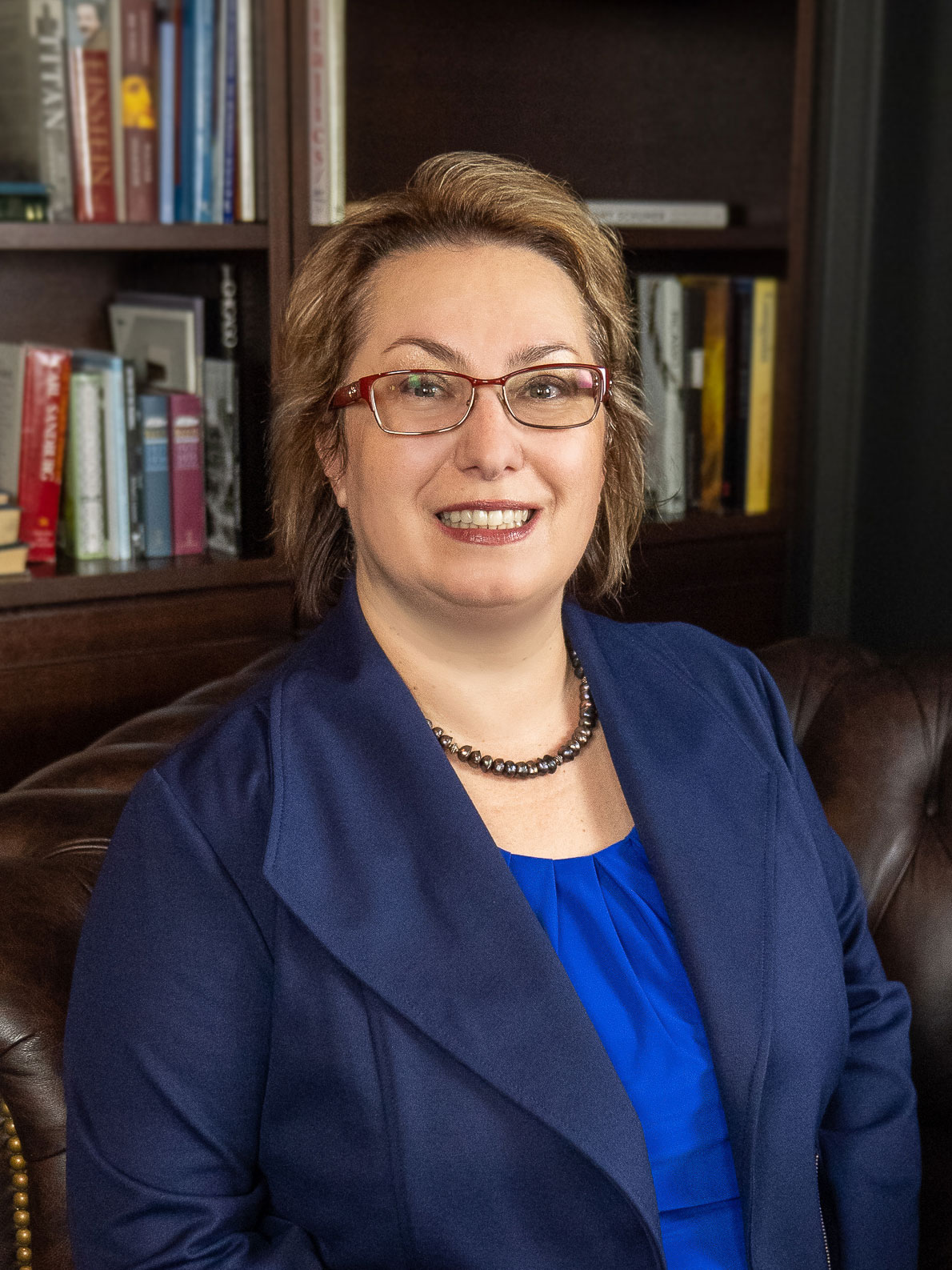
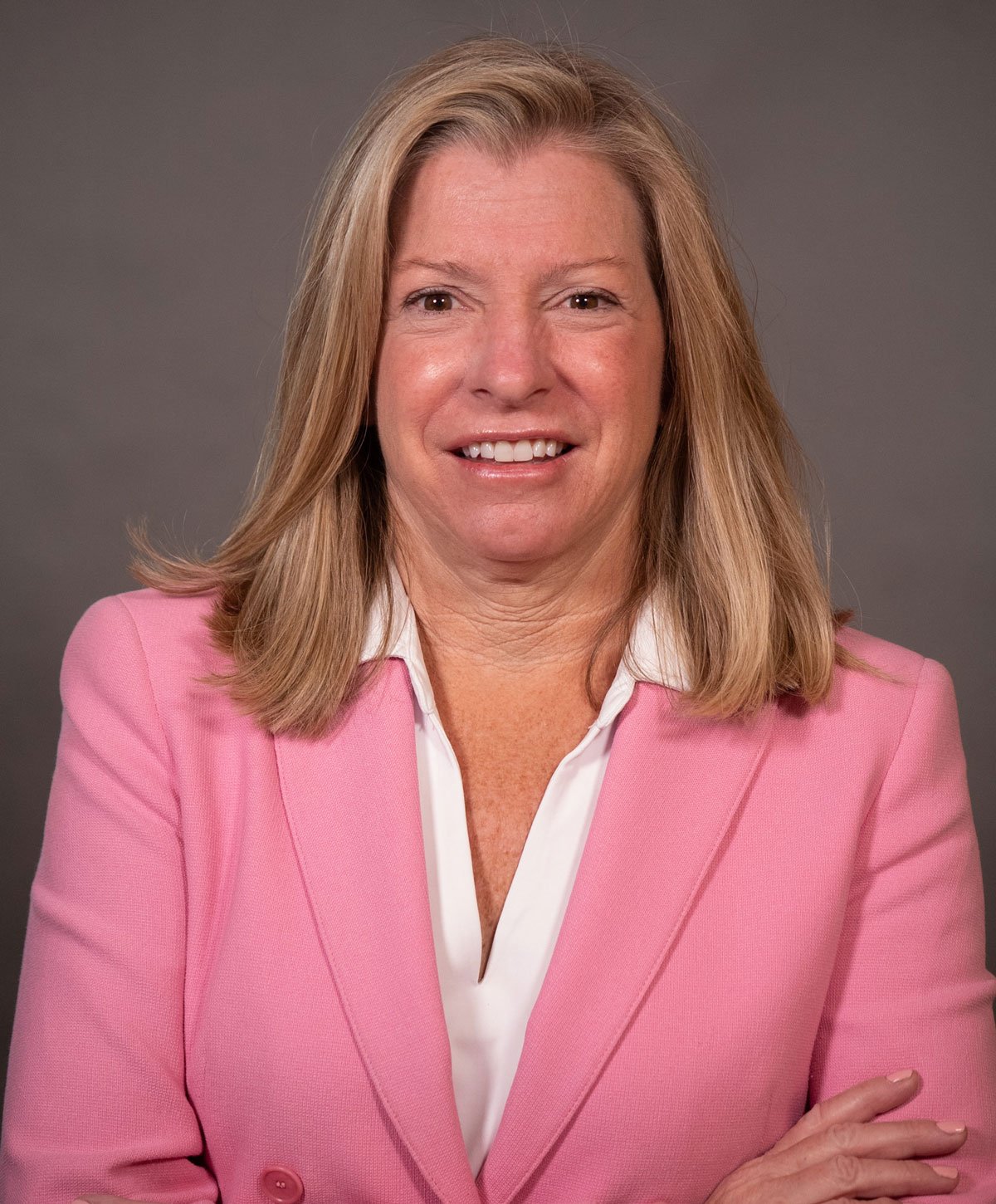
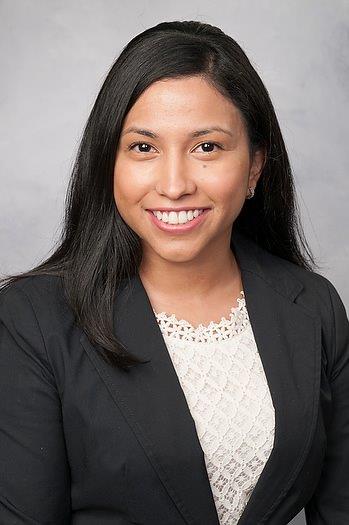
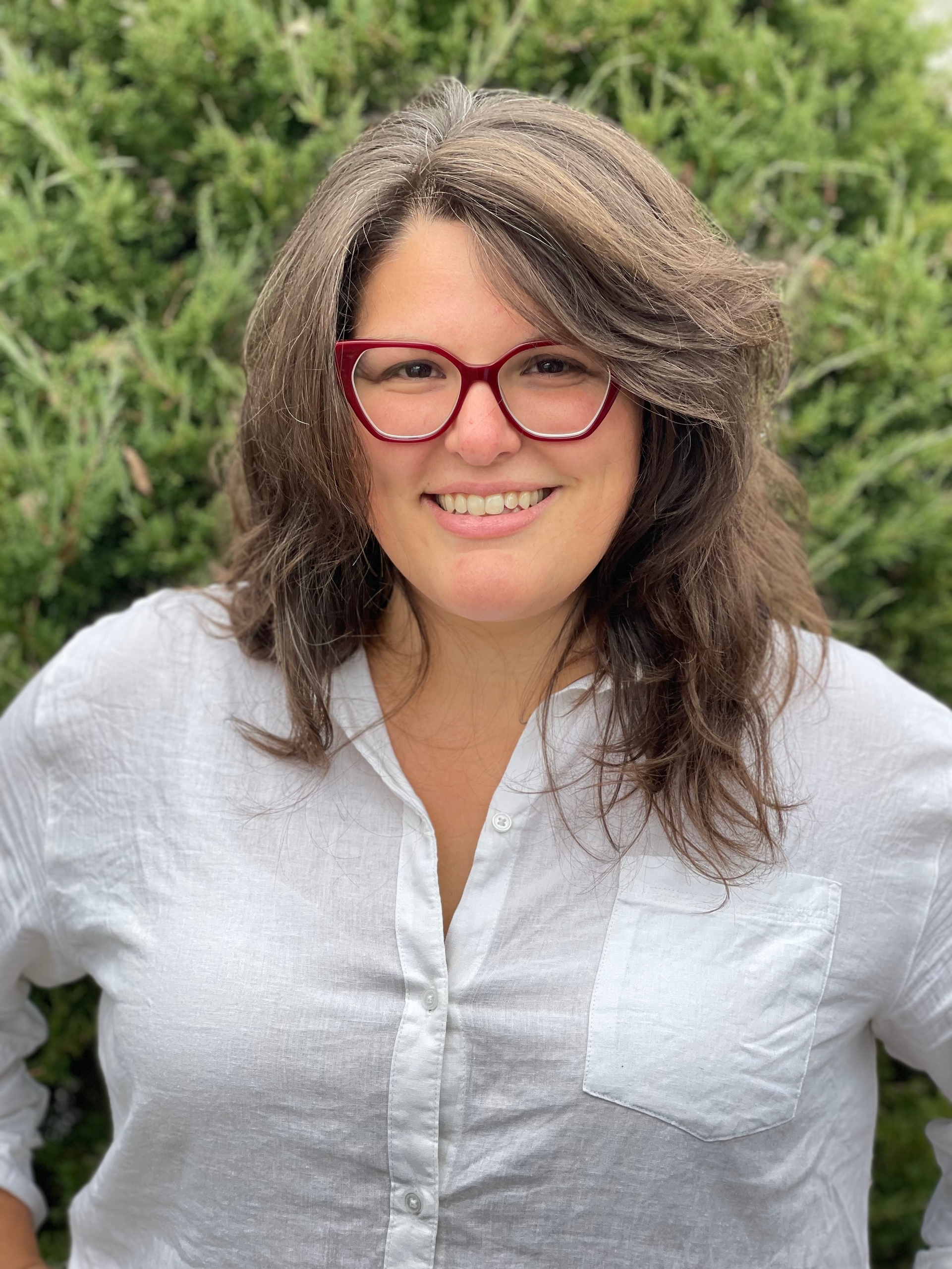
Presented by


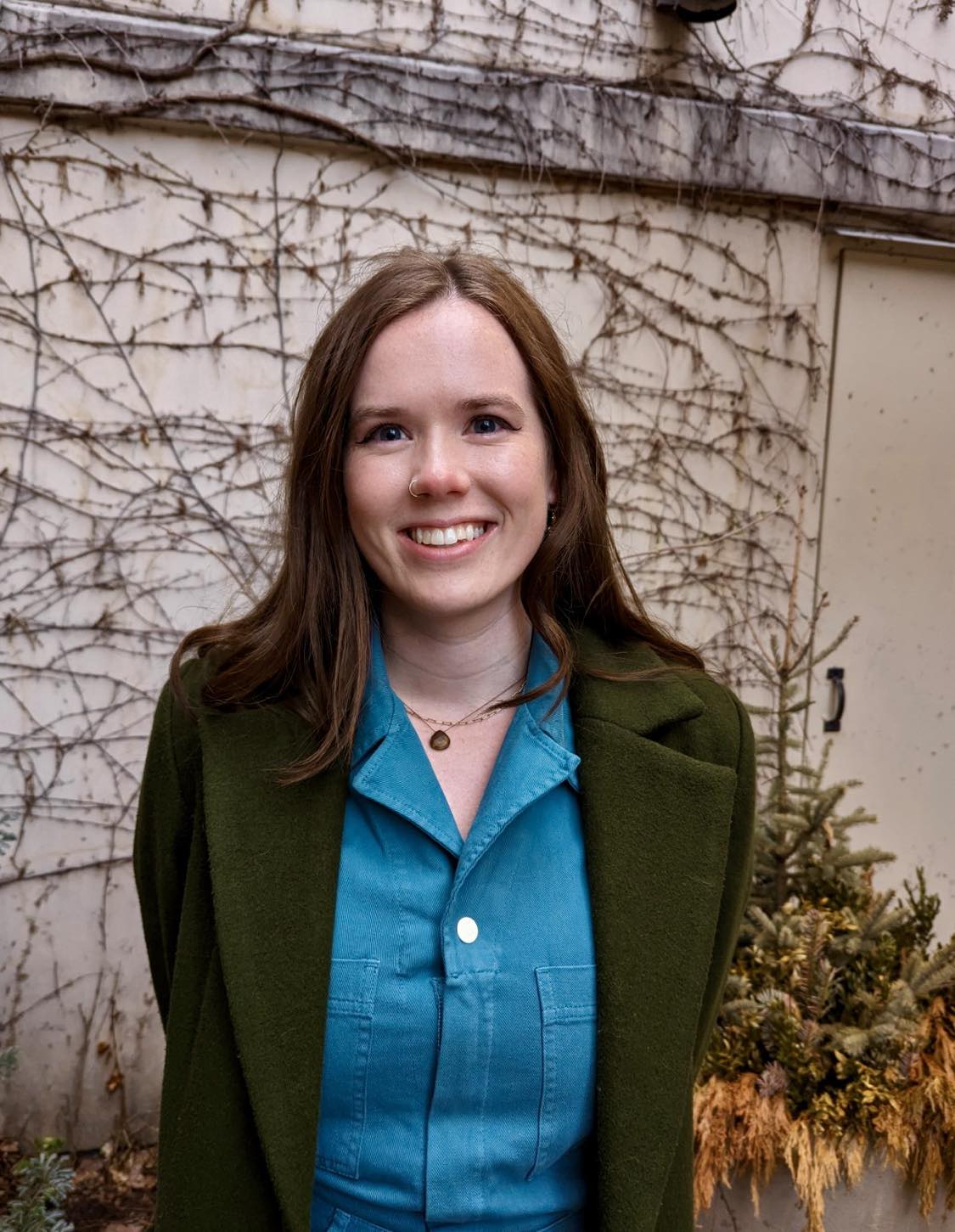
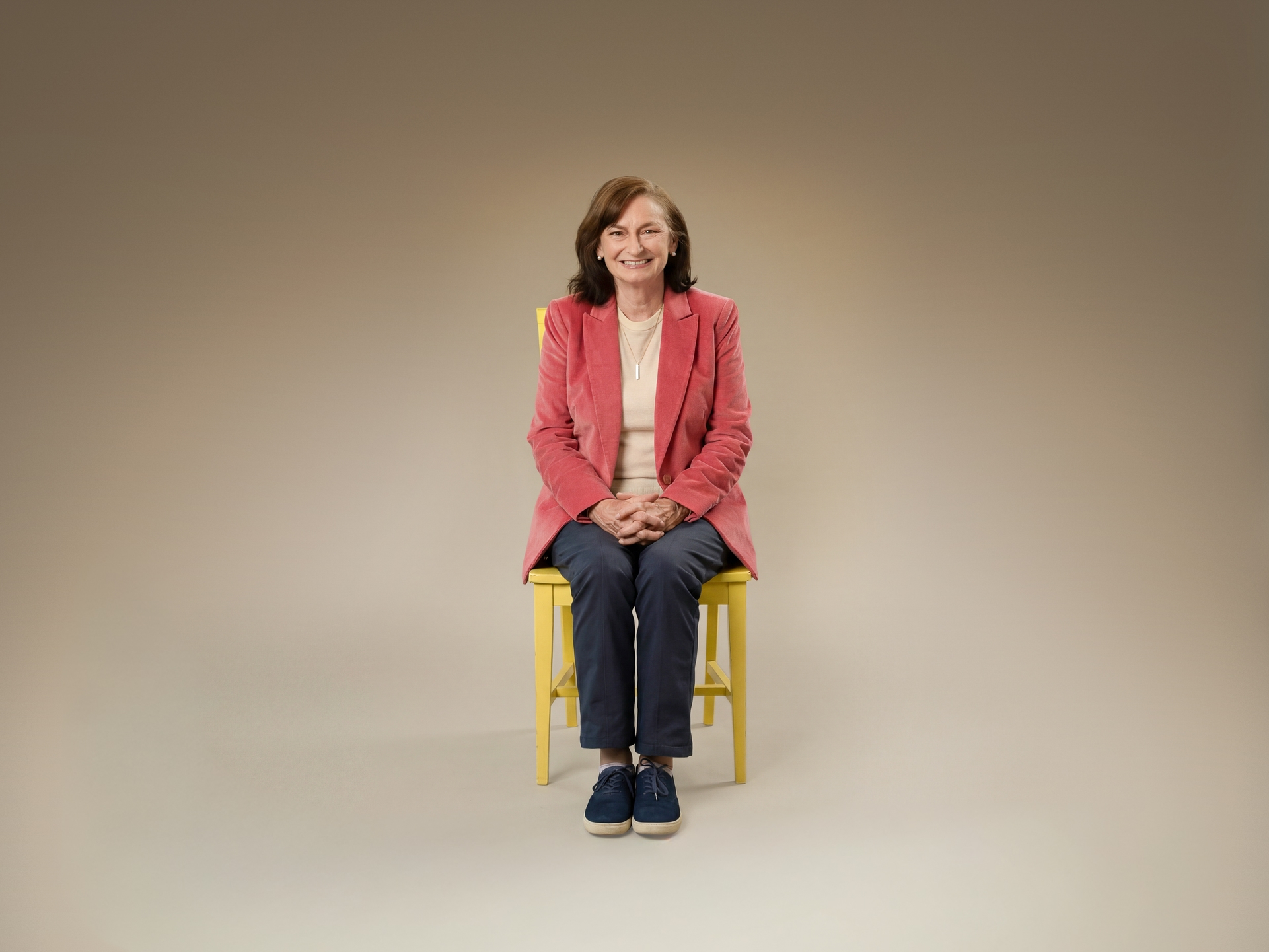
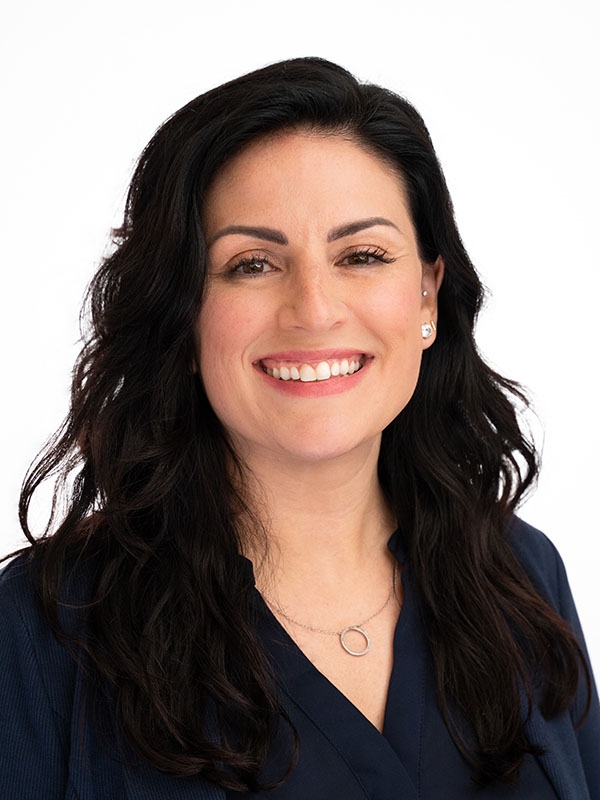
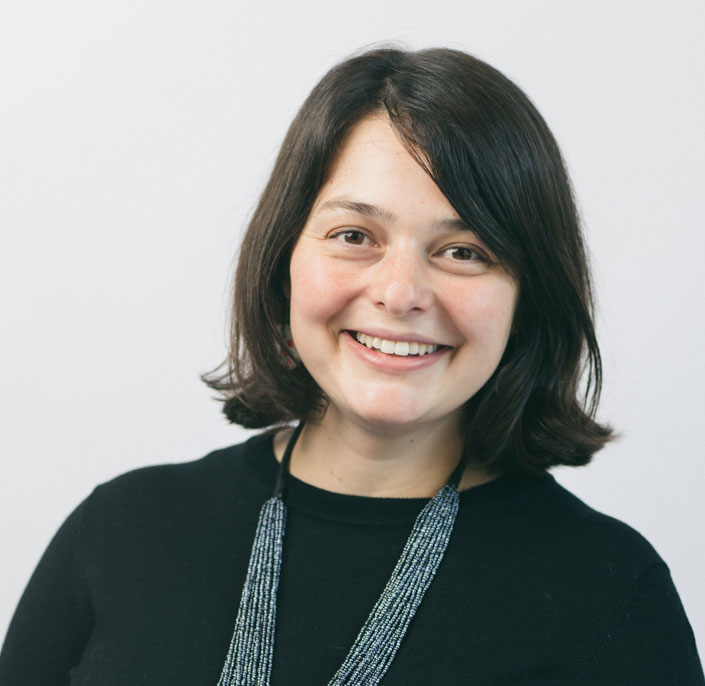
About This Event
Clinical Voices, Human Stories brings together behavioral health professionals for a day of learning that bridges data-informed practice with the real-world experiences that shape meaningful treatment outcomes. Led by experts in eating disorder and mood disorder treatment, sessions will explore timely and complex clinical topics while providing practical insights that can inform everyday practice.
Agenda
8:00-8:15 AM
Registration, Welcome and Morning Refreshments
8:15-9:15 AM
Session: Treating ARFID, Autism, and ADHD: What Clinicians Need to Know
Speakers: Kim Anderson, PhD, CEDS and Steven F. Crawford, MD
1 CE/CME/CNE- This session explores the intersection of Avoidant/Restrictive Food Intake Disorder (ARFID) and neurodivergence, including autism and ADHD. Attendees will examine distinct ARFID presentations, common diagnostic challenges, and strategies for differentiating ARFID from other restrictive eating patterns. The session will also provide practical, evidence-informed approaches to assessment and treatment planning, with an emphasis on multidisciplinary care and adapting treatment to better support neurodivergent patients.
Learning Objectives:
Describe the most common clinical phenotypes of ARFID and how each may uniquely present in autism and/or ADHD.
Adapt evidence-informed ARFID treatment models to meet the needs of neurodivergent patients.
Identify nutritional and growth-related red flags in neurodivergent ARFID patients that warrant medical evaluation or escalation of care.
9:15-10:15 AM
Session: Pharmacology of Eating Disorders
Speaker: Delia Aldridge, MD, FAPA, CEDS-C and Megan Ladowski, MSN, FNP
1 CE/CME/CNE hour- Eating disorders are complex biopsychosocial illnesses with significant morbidity and mortality. Pharmacologic interventions, while possibly helpful, should be deemed secondary to nutritional rehabilitation and gold-standard psychotherapy. This talk will review pharmacological treatment of patients with an eating disorder which includes medications to treat their eating disorder, comorbid mental health problems, malnutrition, and the physical health problems resulting from it.
Learning Objectives:
Describe the indications and potential benefits of two FDA-approved psychiatric medications used to treat eating disorders.
List most common co-occurring psychiatric disorders in eating disorders.
Identify common medical complications associated with eating disorders and describe management of these complications.
10:15-10:25 AM
Break
10:25-11:25 AM
Session: Suicide and Self-Harm: Assessment, Function, and Intervention
Speakers: Alexander Beard, MD and Alexis Canfield, LCSW
1 CE/CME/CNE hour- This training explores suicidality and self-harm through assessment, risk identification, and a functional understanding of these behaviors. Participants will learn evidence-based intervention strategies, including ACT and DBT skills, to help patients build behavioral flexibility, develop alternative coping responses, and strengthen resilience.
Learning Objectives:
Identify warning signs, risk factors, and assessment tools used to evaluate suicide risk and self-harm behaviors in clinical settings.
Explain the function of suicidal thoughts and self-harm within a behavioral framework.
Apply evidence-based intervention strategies, including DBT and ACT skills, to increase behavioral flexibility and support the development of alternative coping responses.
11:25-11:55 AM
Lunch
11:55 AM-12:55 PM
Session: Breaking the Silence: Eating Disorders in Midlife
Speaker: Laura Briz, MD, CEDS and Nicole Havlik, MS, RDN, LDN
1 CE/CME/CNE hour-This presentation examines eating disorders in adults ages 40–65, an often-overlooked population. Attendees will explore how hormonal changes, body changes, mood and sleep concerns, and major life transitions may contribute to the onset, persistence, or recurrence of eating disorders. Through clinical guidance and a patient case, the session will highlight the importance of routine screening, early referral, individualized nutrition support, medical monitoring, and multidisciplinary care.
Learning Objectives:
Explain the impact of perimenopause and hormonal fluctuations on mood, appetite regulation and body image.
Discuss role transitions and psychosocial stressors that contribute to eating disorders during this period of life.
Identify the nutritional needs and body changes across the life span.
12:55-1:55 PM
Session: The Overlap Trap: Distinguishing PTSD from OCD and Treating the Patient Who Has Both
Speakers: Cordelia Loots-Gollin, LCSW and Colleen Soldano, LCPC
1 CE/CME/CNE hour- This presentation explores the complex relationship between Post-Traumatic Stress Disorder (PTSD) and Obsessive-Compulsive Disorder (OCD), which may share symptoms but require distinct clinical approaches. Participants will learn to differentiate trauma-related symptoms from obsessions and compulsions while exploring treatment sequencing and the integration of Exposure and Response Prevention (ERP) with trauma-focused interventions. Clinical examples will help attendees develop accurate, patient-centered treatment plans for individuals with co-occurring PTSD and OCD.
Learning Objectives:
Identify two evidence-based treatments for post-traumatic stress disorder (PTSD).
Differentiate avoidance behaviors associated with PTSD from those associated with obsessive-compulsive disorder (OCD).
Determine when exposure and response prevention (ERP) may be clinically appropriate for patients with co-occurring OCD and PTSD.
1:55- 2:55 PM
Session: GLP-1s and Eating Disorders
Speaker: Anne Marie O’Melia, MS, MD, FAAP, CEDS-S, Susan McClannahan, PhD, CEDS and Adee Levinstein, MS, RD, LD, CEDS-C
1 CE/CME/CNE hour-GLP-1 RAs and related medications are changing conversations about metabolic health, appetite, weight, and eating behavior. For clinicians, their potential benefits must be considered alongside medical side effects, nutritional adequacy, body image concerns, and the possibility that treatment could complicate an existing or emerging eating disorder. Presented by a physician, therapist, and registered dietitian, this session examines how each discipline can contribute to individualized assessment, informed decision-making, and ongoing care. The presenters will explore how to discuss these medications without stigma, recognize when additional support is needed, and coordinate care as medical, psychological, and nutritional priorities intersect. Evidence concerning GLP-1RA use in people with eating disorders remains limited, making careful screening and monitoring especially important.
Learning Objectives:
Describe two potential clinical benefits and two risks of GLP-1 and related medications relevant to medical, psychological, and nutritional care.
Identify signs of disordered eating or nutritional compromise that warrant further assessment in a patient considering or using a GLP-1 medication.
Apply an interdisciplinary framework to a clinical case by specifying the physician’s, therapist’s, and dietitian’s roles in shared decision-making, monitoring, and referral.
Registration closes on October 27th, 2026
For questions about continuing education or this event please contact continuing.education@ercpathlight.com.
Available Continuing Education Credit
In support of improving patient care, Eating Recovery Center and Pathlight Mood & Anxiety Center is jointly accredited by the Accreditation Council for Continuing Medical Education (ACCME), the Accreditation Council for Pharmacy Education (ACPE), and the American Nurses Credentialing Center (ANCC), to provide continuing education for the healthcare team.
Eating Recovery Center and Pathlight Mood and Anxiety Center, LLC designates this live course for a maximum of 6 AMA PRA Category 1 Credit(s)™. Physicians should claim only the credit commensurate with the extent of their participation in the activity.
As a Jointly Accredited Organization, Eating Recovery Center and Pathlight Mood & Anxiety Center is approved to offer social work continuing education by the Association of Social Work Boards (ASWB) Approved Continuing Education (ACE) program. Organizations, not individual courses, are approved under this program. Regulatory boards are the final authority on courses accepted for continuing education credit. Social workers completing this course receive 6 clinical continuing education credit.
Completion of this RD/DTR profession-specific or IPCE awards CPEUs (One IPCE credit + One CPEU). If the activity is dietetics-related but not targeted to RDs or DTRs, CPEUs may be claimed which commensurate with participation in contact hours (One 60-minute hour = 1 CPEU). RDs and DTRs are to select activity type 102 in their Activity Log. Sphere and Competency selection is at the learner’s discretion. Attendees who complete this course are eligible for 1 CPEU.
Eating Recovery Center, LLC is approved by NBCC as an Approved Continuing Education Provider, ACEP No. 6815 Programs that do not qualify for NBCC credit are clearly identified. Eating Recovery Center is solely responsible for all aspects of the programs.
Eating Recovery Center, LLC is approved by the American Psychological Association to sponsor continuing education for psychologists. Eating Recovery Center maintains responsibility for this program and its content.
Eating Recovery Center, LLC is recognized by the New York State Education Department's State Board for Psychology as an approved provider of continuing education for licensed psychologists #PSY-0232.
Eating Recovery Center, LLC is recognized by the New York State Education Department's State Board for Mental Health Practitioners as an approved provider of continuing education for licensed mental health counselors #MHC-0280.
Eating Recovery Center, LLC is recognized by the New York State Education Department's State Board for Social Work as an approved provider of continuing education for licensed social workers #SW-0756.
All Eating Recovery Center, LLC sponsored educational activities are presented in compliance with the Americans with Disabilities Act (ADA). If you are in need of accommodations, please contact the Continuing Education Team at continuing.education@ercpathlight.com.
Conflict of Interest
There is no conflict of interest in the presentations.
Commercial Interest
There is no commercial support for this activity.